portraits
(picked 4 for all other subjects but couldn't dial it down for this example... sorry)


light


spontaneous


outdoors


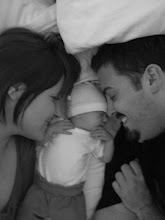
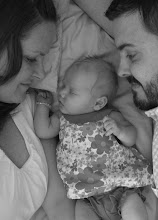
getting close


I have FINALLY found the physical magazine and article that sparked my true love of photography (it was in Evan's closet, "organized"). It is from "Martha Stewart Baby" Magazine in 2000 (Yes I kept the magazines, he he. I believe they only printed one "Baby" issue that year but later years they did 2 a year). Anyway, it was contributed to by many photographers so hopefully I give them all credit for what I now use as my standard in not just taking pictures of my babies but of kids in general. Above are my efforts to following the rules below. Here is the articles advice:
* photographing baby *
TEXT BY VERONIQUE VIENNE
TEXT BY VERONIQUE VIENNE
All their lives your children will cherish their baby pictures. They'll pore over albums of luminous images in awe and disbelief. "Look at me, so tiny, so fat, so cute." When he became a father, John Dolan studied his own family snapshots from the fifties to understand why they seemed so exquisite compared to the color prints of today. "Pictures back then were black-and-white, used available light, and were taken from a low angle because the early cameras, like the Brownie, were held at waist level," he explains. Most professional photographers agree that those portraits of an earlier time still set the best example for getting unique baby pictures. To start, they suggest using simple equipment, without flash, and black-and-white film. Color prints are, well, colorful, but they tend to emphasize unimportant details at the expense of the main subject - your child. Color prints also fade over time. Black and whites can be archivally printed to last for generations. If you follow these suggestions and still get disappointing pictures, you're probably not shooting close enough - so get down on the floor, camera in hand, to capture your kids in their own world. "Never try to direct the action," says William Abranowicz. "Let the children be who they are."
[ get close ]
For parents, a newborns features, from chubby little hands to curling toes, are the source of endless fascination. "When looking at a baby, you soon notice their parts are as beautiful as their faces," says Bastienne Schmidt. "All your senses are overwhelmed. But don't try to take it all in with one picture. Use your camera as you would a notepad, making minute observations." Focus on details, and leave out the surrounding clutter. Shots like these can be easily capture using a small point-and-shoot camera with an automatic zoom lens. (examples are given in article but I tried to use a few of mine through out the post that are inspired by the advice)
[ go outdoors ]
"Children are more relaxed on vacations, "says Abranowicz. "The landscape brightens their moods." But don't expect toddlers to stay still in front of a great vista for that picture-perfect moment. Let them run around at first - eventually they'll slow down and become comfortable with the place, their diminutive size suddenly in harmony with the scale of the landscape. Some photographers record their children over time against the same natural background. "To keep track of the changes in my son," says Victor Schrager, "every year I take a picture of him standing in front of the apple tree I planted when he was a few months old."
[ be spontaneous ]
Pictures that look uncontrived require that you wait for the right moment to come along. Usually you can see a child's thought forming as you observe his or her expression. Watch for a facetious grin, an unexpected pause, a deep sign. "Press the shutter a split second before or after something happens," says Philippe Cheng. You won't know if a child is about to jump up and down, burst into tears, or not off, but if you're ready you can catch what the legendary French photographer Henri Cartier-Bresson calls "the decisive moment."
[ notice the light ]
Take advantage of available light instead of relying o flash. "To capture a moment, you want to capture the fleeting quality of the ambient light," says Dolan. He finds the best photo opportunities in Ireland during the summer, when the sun takes forever to sink below the horizon. "My children play outside in the fading light after dinner," he says. "Everybody is relaxed, which makes for pictures with a natural feeling." In contrast, Abranowicz prizes the bright light he finds in Greece for the way it illuminates the faced of his kids. Wherever you are, avoid the midday sun, which cast long dark shadows. Shoot early in the morning or late in the afternoon. And on bright sunny days, try using flash outdoors to soften harsh shadows that can obliterate small features.
[ plan portraits ]
A few framed portraits displayed on the wall preserve the memory of a special day better than a shoebox full of snapshots. "Don't take a lot of pictures unless something really special is going on, " says Christopher Baker. "The event could be the arrival of a new brother or the first day of school." Making eye contact with the lens is something young kids do easily, so start a series of portraits early on, before they become self-conscious. Once or twice a year, for a birthday or a favorite holiday, ask your kids to sit for a formal portrait. Chances are they will rise to the occasion every time. Needless to say, asking babies and toddlers to say "cheese" is out of the question - which explains why the young folk portrayed in this (the articles photos) portfolio have so much presence and poise.



2 comments:
Ah! Cora Grace! So precious!
Wow. No wonder you kept that magazine. Beautifully stated. Thanks for sharing. We'll see if my shots get any better. Close ups are tough for me. I would love a better lens for that. What an inspiration.
-m
Post a Comment